How Crawl Space Encapsulation Helps Protect Hardwood Floors from Warping and Damage
If you love the look and feel of hardwood, protecting it from moisture is a must in our North Mississippi climate. That is why crawl space encapsulation in Corinth is one of the smartest ways to stop cupping, gapping, and buckling before they start. At Heritage Hardwood Floor Finishing, our team helps homeowners keep floors stable and comfortable year-round so your investment lasts.
Why Moisture Warps Hardwood Floors In Corinth
Hardwood is a natural material that expands when it absorbs moisture and shrinks when it dries out. In Corinth, summers are humid and stormy, while shoulder seasons bring big swings in temperature. That combination feeds vapor into vented crawl spaces under many homes in areas like Downtown Corinth, Farmington, and the Kossuth community. The excess moisture rises into subfloors and planks, which can twist boards and push edges upward.
Over time, the constant wet-dry cycle fatigues wood fibers. You may notice small ridges along board edges, faint musty odors near baseboards, or squeaks that were not there last year. These are early clues that the space beneath your home is letting too much humidity touch the wood structure.
What Crawl Space Encapsulation Actually Does
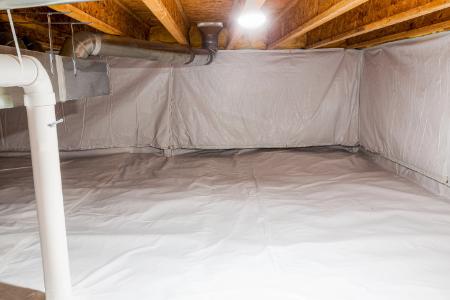
Encapsulation transforms a damp, vented crawl space into a sealed, conditioned zone. A heavy-duty vapor barrier lines the ground and piers, seams are sealed, vents are closed, and a controlled dehumidification strategy keeps the air within a healthy range. When moisture cannot rise freely from soil and outside air, your subfloor stays far more consistent, which supports stable, flat hardwood.
If you want a deeper overview of the process and benefits, you can learn more on our dedicated page on crawl space encapsulation. It explains how sealing, drainage improvements, and air management work together to protect your floors and the rest of your home.
Top Signs Your Floors Need Protection
- Edges of boards feel raised or look wavy, especially in hallways and living rooms.
- Small gaps open between planks in late winter, then close and cup in summer.
- Musty odor near floor vents, closets, or the first floor after rainy weeks.
- Visible mildew on joists or subflooring when you peek into the crawl space hatch.
If you spot any of these, do not wait for dramatic buckling. Moisture rarely fixes itself, and hardwood movement often worsens with each season.
How Encapsulation Protects Hardwood, Step By Step
Think of your crawl space like a humidifier sitting beneath your floors. Encapsulation turns that humidifier off and replaces it with a clean, dry buffer. Here is how it protects your floors:
- Stops ground vapor with a sealed liner, which removes the biggest moisture source.
- Blocks outside damp air by closing vents and sealing rim joists.
- Controls humidity with properly sized dehumidification so wood finds equilibrium.
- Stabilizes subfloor moisture content, which reduces cupping and seasonal gaps.
Consistent conditions are the secret. When relative humidity stays steadier, wood stays flatter. That means tighter seams, fewer squeaks, and a smoother finish that holds up to daily life.
Local Factors To Consider In Corinth
Homes around Harper Road, Borroum Circle, and older streets near downtown often have traditional vented crawl spaces with minimal ground covering. Spring storms and late-summer humidity can saturate the soil and feed moisture through uncovered areas. Even newer homes with partial liners may still allow vapor through unsealed seams or gaps at piers.
Encapsulation addresses these local realities. It creates a reliable barrier against seasonal moisture, which helps hardwoods like oak, hickory, and pine stay within their ideal range. You also reduce the risk of odors and improve comfort on the first floor because the air above stays drier and more predictable.
Hardwood Problems Encapsulation Helps Prevent
By balancing the air under your home, crawl space encapsulation helps keep your floors looking their best. Here are common issues it helps reduce:
Floor cupping: Board edges rise when the underside absorbs more moisture than the top. A sealed crawl space keeps the underside closer to the room's humidity.
Seasonal gapping: Boards shrink in dry months, then swell in humid months. Stabilizing the crawl space reduces those extremes, so gaps are less noticeable.
Surface buckling: Severe moisture swings can lift entire sections. With better balance below, the risk of sudden buckles drops.
Finish wear and squeaks: Movement grinds the finish and loosens fasteners. Less movement extends the life of both.
Why Flooring Contractors Recommend Encapsulation
Experienced pros see the same pattern across the region. When the crawl space is dry and sealed, new hardwood installations perform better, and existing floors stay flatter. That is why many seasoned flooring contractors serving Corinth pair hardwood projects with moisture control beneath the home. It is like building a strong foundation for your finish layer on top.
At Heritage Hardwood Floor Finishing, we look at the home as a system. When a homeowner calls about cupping, we do not just refinish the surface. We help address the source of the moisture so the beauty you see on day one still looks great in year five.
How Encapsulation Supports Energy And Comfort
A sealed, conditioned crawl space does more than protect wood. It helps your whole home feel better. Floors can feel less clammy in July and steadier in February. Your HVAC can run more predictably because it is not fighting a damp reservoir under your living area. These improvements are small, day to day, but together they make your home feel drier, cleaner, and more comfortable.
For homeowners searching for crawl space encapsulation in Corinth, our team can evaluate the subfloor and humidity conditions, then coordinate a plan that fits the home's structure and season.
What A Professional Evaluation Includes
Every house is unique. A good assessment looks at how moisture is getting in and how it moves. Here is what a professional evaluation typically covers:
- Visual inspection: Check liners, seams, piers, and rim joists for gaps. Look for staining on the subfloor and joists.
- Moisture readings: Measure wood moisture content and relative humidity to set a baseline. This helps forecast how floors will respond once conditions stabilize.
- Air movement: Identify where outside air is leaking into the crawl space, including vents, access doors, and plumbing penetrations.
- Drainage review: Confirm the grade and any standing water concerns after heavy rain. If necessary, improvements can help keep the liner and perimeter dry.
Do not ignore early warning signs like musty odors or persistent edge lift. Addressing them now can help avoid bigger floor repairs later.
Flooring-Specific Benefits You Can Feel
When moisture is controlled beneath the home, wood flooring tends to behave. Planks lie flatter, finishes last longer, and the room stays quieter. You may even notice that area rugs sit more smoothly and floor transitions feel more level. These are subtle wins that make daily life nicer and protect the time and money you put into beautiful hardwood.
Corinth Neighborhood Considerations
Older homes north of Highway 72 often have shallow crawl spaces that are tricky to access. Newer builds south of downtown may have partial liners but open vents. Both benefit from sealing and controlled humidity. Because storms can roll in fast, planning encapsulation outside of peak rain periods helps crews work efficiently and keeps the space cleaner during installation.
Every project timeline varies by home size, layout, and season. If your schedule is tight, our coordinators can help find a window that avoids the dampest weeks whenever possible.
Why Choose Heritage Hardwood Floor Finishing For Hardwood Protection
We understand floors because we live in the same climate you do. From subfloor moisture checks to finish selection, our approach centers on long-term stability. You get clear communication, photos from the crawl space, and a plan that supports the floors you love on top. If you have been comparing reputable flooring contractors around Corinth, talk with our team about pairing floor care with moisture control below.
To see how a sealed crawl space supports better flooring outcomes, explore our page on crawl space encapsulation. It outlines the steps and materials used to keep humidity in check and floors in balance.
Preparing Your Home For A More Stable Floor
While you do not need to change your daily routine, there are a few simple habits that help once the crawl space is sealed:
- Keep floor registers open so air mixes evenly across rooms.
- Avoid long periods with windows open during peak humidity weeks.
- Use bath fans during showers to limit spikes in indoor moisture.
These small habits help your newly balanced crawl space support smooth, quiet hardwood upstairs.
Ready To Protect Your Hardwood Floors In Corinth?
Your home should feel solid underfoot, season after season. If you notice cupping, gaps, or musty odors, schedule a professional evaluation. Our team at Heritage Hardwood Floor Finishing will assess your crawl space and explain the best path forward. Call us at 662-871-3151 to get started or learn more about how sealing beneath your home supports the wood above. A dry crawl space today helps prevent costly floor damage tomorrow.
Contact Us Today
We're Ready to Help!